

Right now, we’re in springtime, with moisture and cool temperatures. But just like every other year, summer’s wildfire season is right around the bend. Science and experience indicate that wildfire policies should shift efforts from firefighting toward prevention and restoration all year long. Fortunately, strategies with this focus are increasingly widespread, many of which draw from nature-based solutions.
Although the number of fires in Spain has somewhat decreased, these fires are increasingly destructive. Sixth-generation wildfires or megafires have been identified. They have begun to appear in areas that were previosly resistant, such as boreal regions, or regions of high biological value, like the Amazon rainforest.
When a fire occurs, its consequences are not only limited to the lost flora and fauna, nor do they end when the fires are put out. On one hand, they cause greenhouse gas emissions (mainly CO2 and methane), and changes to the affected landscape increase climate change short-, mid-, and long-term. Moreover, the high amount of atmospheric contaminants they produce can, in turn, contaminate other regions.
On the other hand, water, in the broadest sense of the word (water resources and their dynamic) is a silent victim of wildfires, especially high-intensity fires. Without the braking effect of vegetation and with fire-generated layers in the soil that repel water, rainfall produces intense run-off that promotes erosion and alters the morphology of riverbeds, all while also increasing the risk of flooding.
This run-off water takes ash, sediment, heavy metals, and nutrients with it, which end up in surface and groundwater bodies. We can immediately see the effects with the first rainfall, or months after intense storming. These effects can last for years. This means that the water quality of aquatic ecosystems and facilities within the integrated water cycle, such as water purification plants, may be affected. We must consider this aspect when mitigating impact, adapting treatment processes, protecting reservoirs, and planning recovery of burnt areas. On this last point, measures aimed at slowing run-off are important, such as helimuliching (covering burnt ground with hay dropped from helicopters), as well as restorative approaches that boost natural regeneration along with soil protection.
In addition to heatwaves and droughts intensified by the climate crisis, structural factors due to society’s changing habits also lie behind the increased destructive power of wildfires.
Rural abandonment has created vast forested areas loaded with combustible material and led to the loss of mosaic landscapes consisting of plots with diversified uses. These mosaic landscapes once acted as firebreaks and provided access for firefighting work. The area used for certain forest monocultures, like eucalyptus, continues to grow through commercial use on private land. This increases the risk of fire because this species facilitates the spread of flames.
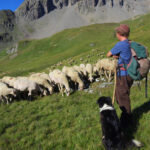
Despite this reality, there are several practises and initiatives with preventive solutions to stop fires and the devastation they bring with them. For example, the Proyecto Mosaico, which came about after a megafire in Sierra de Gata in 2015, prevents fires by recovering diverse mosaic landscapes, all while creating jobs and sustaining rural populations. Another especially noteworthy example is preventive grazing. This technique has to do with grassland management that uses extensive livestock farming to eliminate flammable biomass.
At the same time, specific planning and management initiatives for natural areas that take new climate conditions into account, such as adaptive forest management, and that involve the population spread throughout these areas (along the lines proposed by the Spanish Network of Cities for the Climate), should help to control the wildfire risk inherent to such areas. In any event, we must not forget that fire is yet another natural element. It shapes landscapes and plays a central role in Mediterranean forests. This, along with increasingly long and intense summers, means that learning to live with fire is now a must. Adopting a comprehensive wildfire management approach will create synergies that operate at different levels. Improving training for the population who lives alongside forested areas, along with detection, warning, and firefighting systems, will help to reduce the effects of wildfires, while actions aimed at creating resilient landscapes will lower risk and support recovery after the flames have passed.